

CHOOSE IN 10 SECONDS
What does your day look like?
Start here for the quick answer. Keep reading if you want to know why.
Work, commuting, errands
SPF 30
Beach, hiking, outdoor sport
SPF 50
Under makeup
Comfort comes first
Whichever you choose
Apply enough + reapply
WHY PEOPLE CHOOSE EACH ONE
There is a sensible reason for either choice
SPF 30 can be easier to enjoy every day. SPF 50 can give useful extra backup when the sun is stronger or you stay outside longer.

Everyday, shorter outdoor time
Going to work, running errands, taking a short walk or spending most of the day indoors.
It can also be a sensible choice if that SPF 30 feels better on your skin and you are more likely to use enough of it.
Longer days in stronger sun
Beach trips, hiking, outdoor sport, sightseeing, outdoor work or days when you are not sure how long you will be outside.
It may also be the better choice if a healthcare professional has advised you to use higher protection.
THE NUMBERS, MADE SIMPLE
The difference is smaller than most people expect.
The SPF number mainly tells you how well a sunscreen protects against the rays that cause sunburn. It does not tell you whether the product feels light, looks shiny, leaves a white cast or stays on in water.
SPF 30
of sunburn-causing UVB rays blocked in the test
SPF 50
of sunburn-causing UVB rays blocked in the test
A QUICK SIDE-BY-SIDE
SPF 30 and SPF 50: the pros and trade-offs
There is no single winner. SPF 30 can be easier to wear every day, while SPF 50 gives you a little more protection for stronger or longer sun exposure.
The everyday favourite
- Often feels lighter and less noticeable on skin
- Easy to fit into a daily routine or wear under makeup
- Offers slightly less UVB protection than SPF 50
The extra-backup choice
- Provides a little more UVB protection than SPF 30
- Useful when the sun is strong or you will be outside longer
- Some formulas may feel richer or more noticeable on skin

Texture still depends on the individual formula: a lightweight SPF 50 can feel better than a rich SPF 30.
NEXT, CHECK THE LABEL
You have chosen the number. Now look for these two things.
Whether you choose SPF 30 or SPF 50, two label details help you choose the right sunscreen for the day.
Here is what those label words mean.
THREE LABEL WORDS, EXPLAINED
UVA, UVB and broad spectrum
You do not need to memorise the science. This is the simple version.
UVB
These rays are the main cause of sunburn. The SPF number mostly tells you about protection from UVB.
UVA
These rays can contribute to longer-term skin damage and visible ageing. Some can also pass through ordinary windows.
Broad spectrum
This means the sunscreen is designed to protect against both UVA and UVB. It is an important phrase to look for on the label.
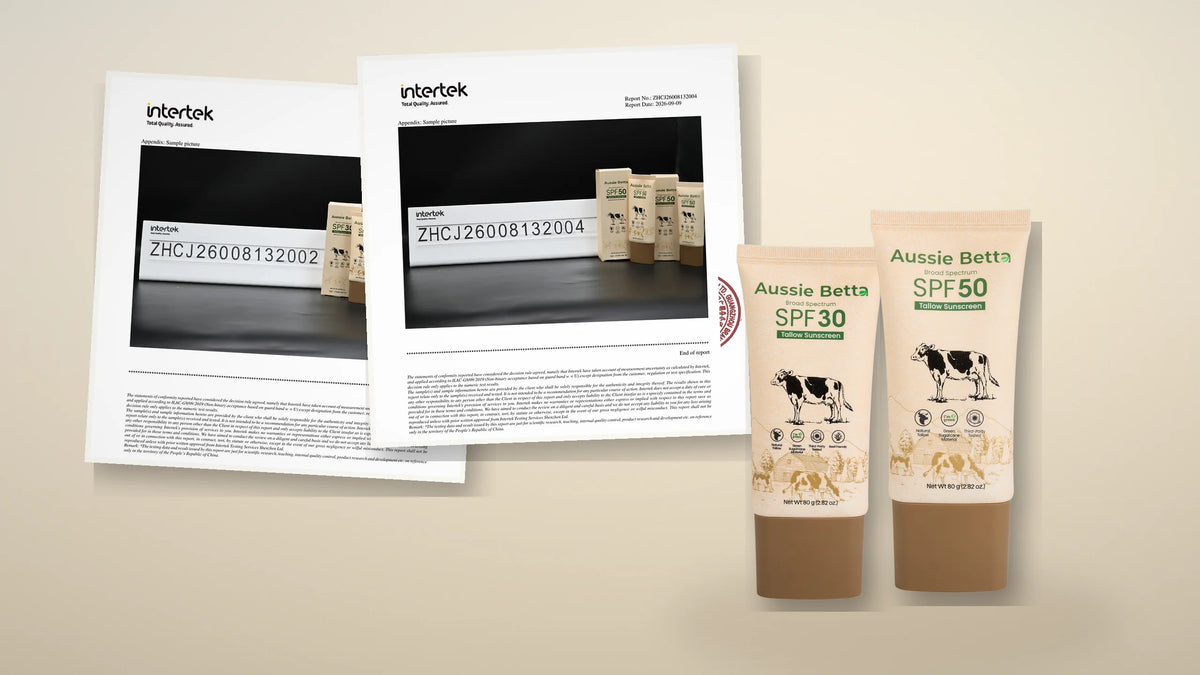
WATER RESISTANCE
Water-resistant protection for swimming, sport and active days
On the label, “40 minutes” or “80 minutes” shows how long the sunscreen maintained its tested SPF during water-resistance testing. It gives you a clear guide for when to top up.
THE FOUR HABITS THAT MATTER MOST
Make either SPF work better
The SPF on the label assumes an even layer. In real life, these four simple habits make the biggest difference.
Use enough
Use enough to cover every exposed area evenly, including the ears, neck and hairline.
Apply early
Follow the label. Many sunscreens should be applied 15–20 minutes before going outside.
Reapply
Top up at least every two hours while outdoors, and sooner after swimming, heavy sweating or towel drying.
Add protection
Sunscreen works best together with shade, clothing, a broad-brimmed hat and sunglasses.
MYTH OR FACT?
Four quick corrections
“SPF 50 is almost twice as protective.”
No. SPF 50 blocks about 98% of UVB in the test, compared with about 96.7% for SPF 30.
“SPF 50 lasts longer.”
No. Both need to be reapplied, and both can come off with water, sweat or rubbing.
“SPF 50 always feels heavy.”
Not always. SPF 30 often feels lighter, but the individual formula still decides the finish.
“High SPF replaces hats and shade.”
No. Hats, clothing and shade still matter, even when you use a high SPF.
When to ask for personal advice
For babies, young children, pregnancy, medicines that make skin more sensitive to sunlight, recent skin treatments or a history of skin cancer, follow the label and ask a qualified healthcare professional what is right for you.
QUICK ANSWERS
Still deciding?
Is SPF 30 enough for everyday use?
For many normal workdays, errands and shorter outdoor periods, SPF 30 can be a good choice when you use enough. SPF 50 may be better for long days outside or strong sun.
Should I always choose the highest SPF?
Not always. A comfortable SPF 30 that you use properly can be more useful than an SPF 50 you dislike wearing. Choose SPF 50 when you want extra backup.
Can I layer SPF 30 and SPF 50?
No. SPF 30 plus SPF 50 does not become SPF 80. Choose one sunscreen and apply it evenly.
Does higher SPF cause more breakouts?
Not necessarily. Breakouts depend more on the individual formula and how it works with your skin than on whether the label says 30 or 50.
Can I use SPF 30 on my face and SPF 50 on my body?
Yes. The numbers do not have to match, as long as each product suits the exposure and is applied properly.
The best choice depends on the day.
SPF 30 can be a very good everyday choice. SPF 50 gives a little more protection for longer or stronger sun. The best sunscreen is one that suits the day, feels comfortable and is used generously and regularly.
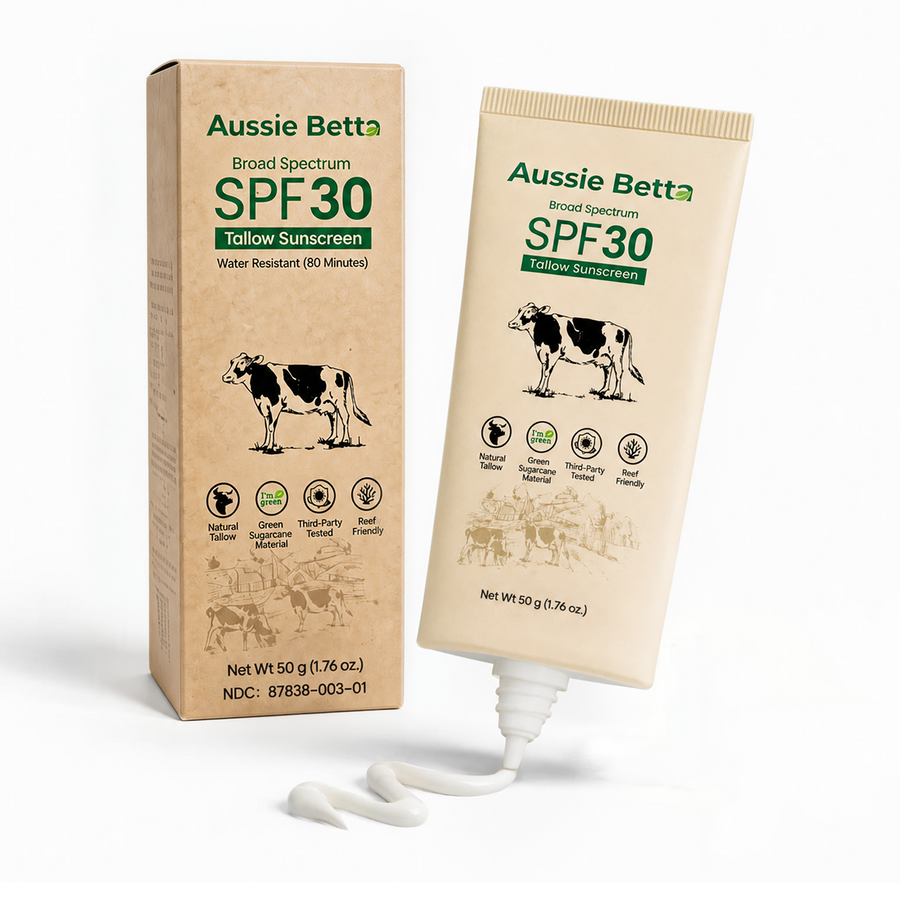
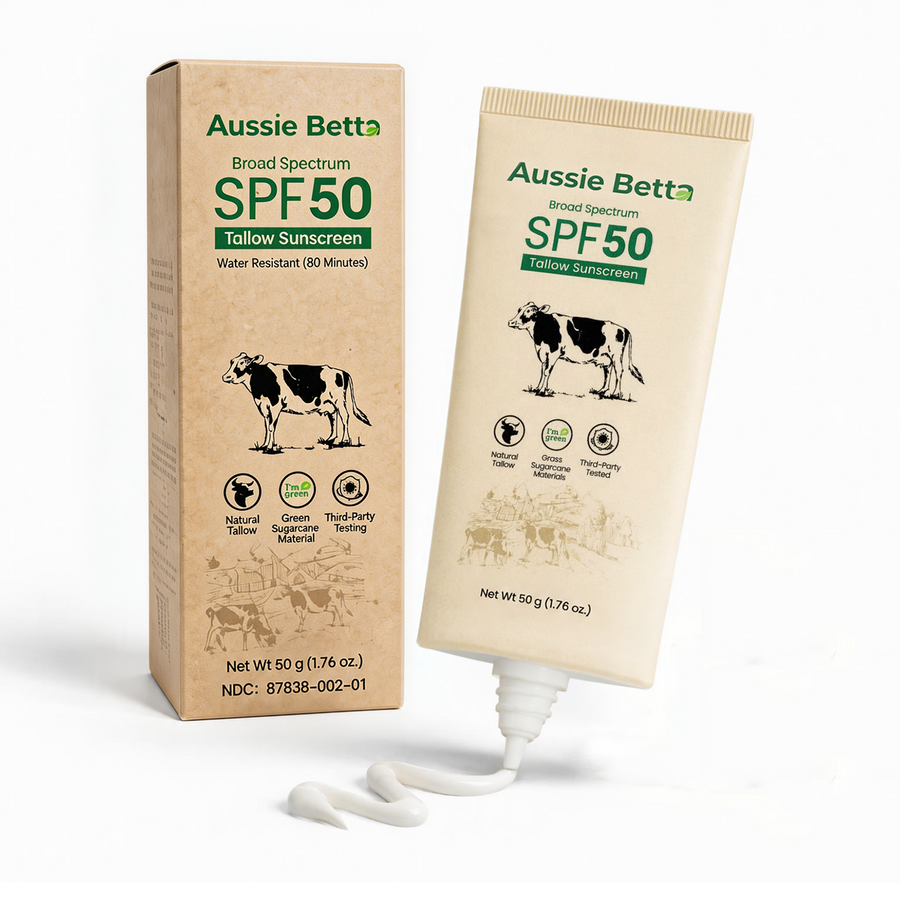
See how sunscreen testing works →
General information only, not personal medical advice. Always follow the product label and use sunscreen together with shade, protective clothing, a hat and sunglasses.